
Donate here to become a Bean Seed Sustainer!
Whether for their sustainability superpowers, knockout nutritional advantages, accessibility, affordability, or near-universal culinary appeal, beans are one of the most beneficial foods on the planet.
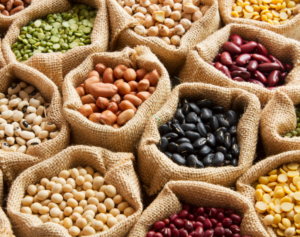
And with experts promoting beans as the best food to effectively address the double crises of climate change and global food insecurity, many of our campaigns and partnerships focus on increasing consumption of beans…and reducing consumption of beings.
These include our Beans Not Bugs, How You Bean! and PB&J campaigns, our membership in the UN-backed Beans Is How coalition, and our partnerships with groups like Malnutrition Matters to expand soy-based microbusinesses for rural women in Asia and Africa; and Seed Programs International, with whom we created the Planetary Pulse Project, an ongoing collaboration to distribute legume seeds to farmers and growers in need around the world.
Since its inception in 2023, the Planetary Pulse Project has distributed ~ 45,000 packets of legume seeds domestically and internationally, enough to grow 700,000+ servings of protein.
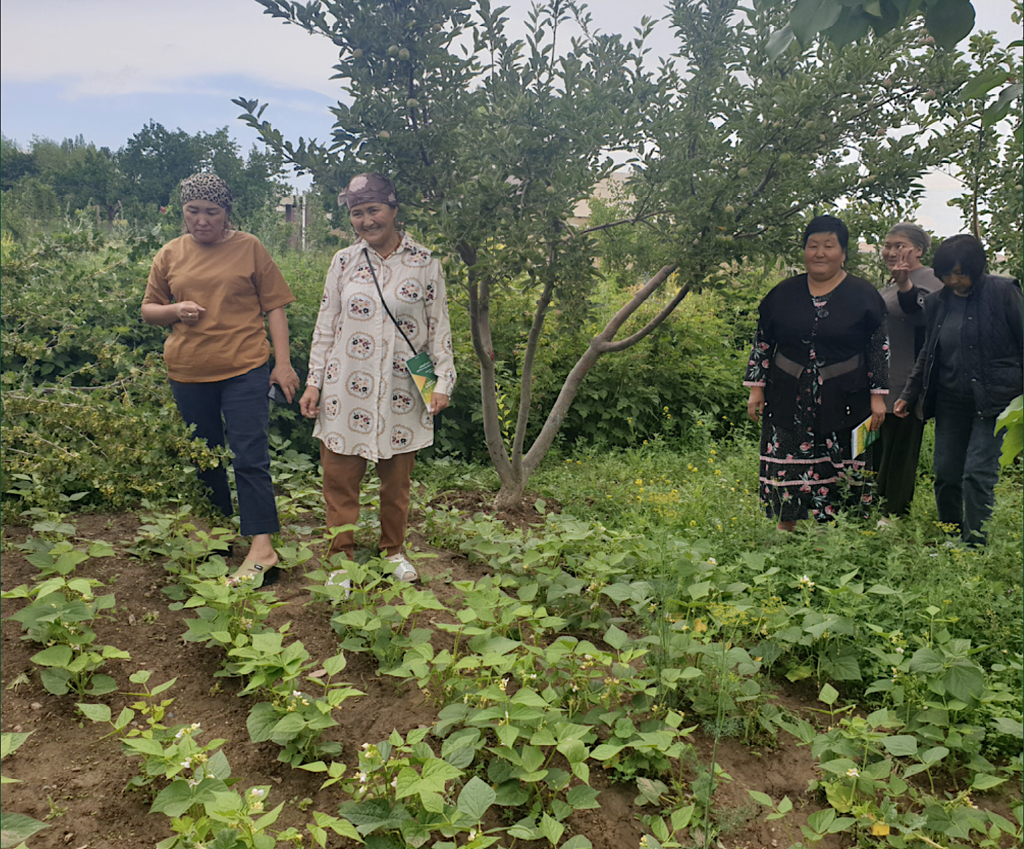
Recipients have included schools, women’s cooperatives, hospital farms, refugee communities, and subsistence farmers in 10 countries: the U.S., Columbia, Zimbabwe, Haiti, Nigeria, Uganda, Ethiopia, Tanzania, Ukraine, and Kyrgyzstan.
But as climate change continues to disproportionately impact vulnerable communities, the need for climate-robust bean seed is rapidly growing. Legumes are widely considered one of the most climate-resilient foods. Many varieties can be grown on marginal land in arid conditions; are highly water efficient, often grown as rainfed crops; and they regenerate soil, promoting higher rates of carbon sequestration. Their ability to fix nitrogen means they also reduce the need for synthetic fertilizers.
That’s why we’re putting out a call for some bean-evolent seed sustainers! With the help of dedicated bean seed sustainers, the Planetary Pulse Project can not only continue to support ongoing bean seed recipients, we can also increase distribution to new programs and partners, including an improved bean variety project to assist farming families in Rwanda, run by one of the country’s few women plant breeders.
You can be a bean seed sustainer at any level. Just $10 per month provides roughly 350 servings of protein-packed beans to people facing food insecurity or hunger. And with all donations matched for 2025, you get even more bean for your buck!
Below, learn more about some of our bean-based projects.
Donate here to become a Bean Seed Sustainer!
 In 2024, A Well-Fed World was thrilled to be accepted as an official partner of the Beans Is How campaign, a United Nations backed initiative to double global consumption of beans (as well as peas, lentils and other pulses) by 2028. Beans Is How is a project of the SDG2 Advocacy Hub, which coordinates global campaigning and advocacy to achieve the UN’s Sustainable Development Goal (SDG) #2: “To end hunger, achieve food security and improved nutrition, and promote sustainable agriculture by 2030.”
Working with a diverse coalition of scientists, NGOs, policymakers, and related partners, Beans Is How seeks to amplify the importance of beans and other pulses as an accessible, affordable solution to our global financial, health and environmental challenges, while galvanizing significant stakeholder action. Through its #beansonthemenu challenge, Beans Is How targets restaurants, caterers, cafés, schools, and other food providers to get more bean dishes on menus globally, and to get more consumers recognizing beans as a desirable food choice.
Beans Is How coalition members are approved based on mission alignment and demonstrated advocacy to promote bean consumption. Below, we spotlight a few of our recent and/or ongoing projects to promote beans and other pulses as a delicious, sustainable, and more desirable alternative to meat.
Planetary Pulse Project
 We love veggies (obviously), but our preference is to support high protein foods that can be used as direct replacements for meat, dairy and eggs. So, it was with great enthusiasm that in 2023 we celebrated the United Nations World Pulses Day (February 10th) by launching the Planetary Pulse Project!
In its first year, this collaboration with our long-time partners Seed Programs International provided 33,310 packets of legume seeds to growers in need in five countries. Recipients included four schools in Zimbabwe, a hospital farm in Haiti, a community of Cameroonian refugees in Nigeria, two women farmers’ cooperatives in Uganda, and multiple community gardens in 14 U.S. states. Read the full impact report.
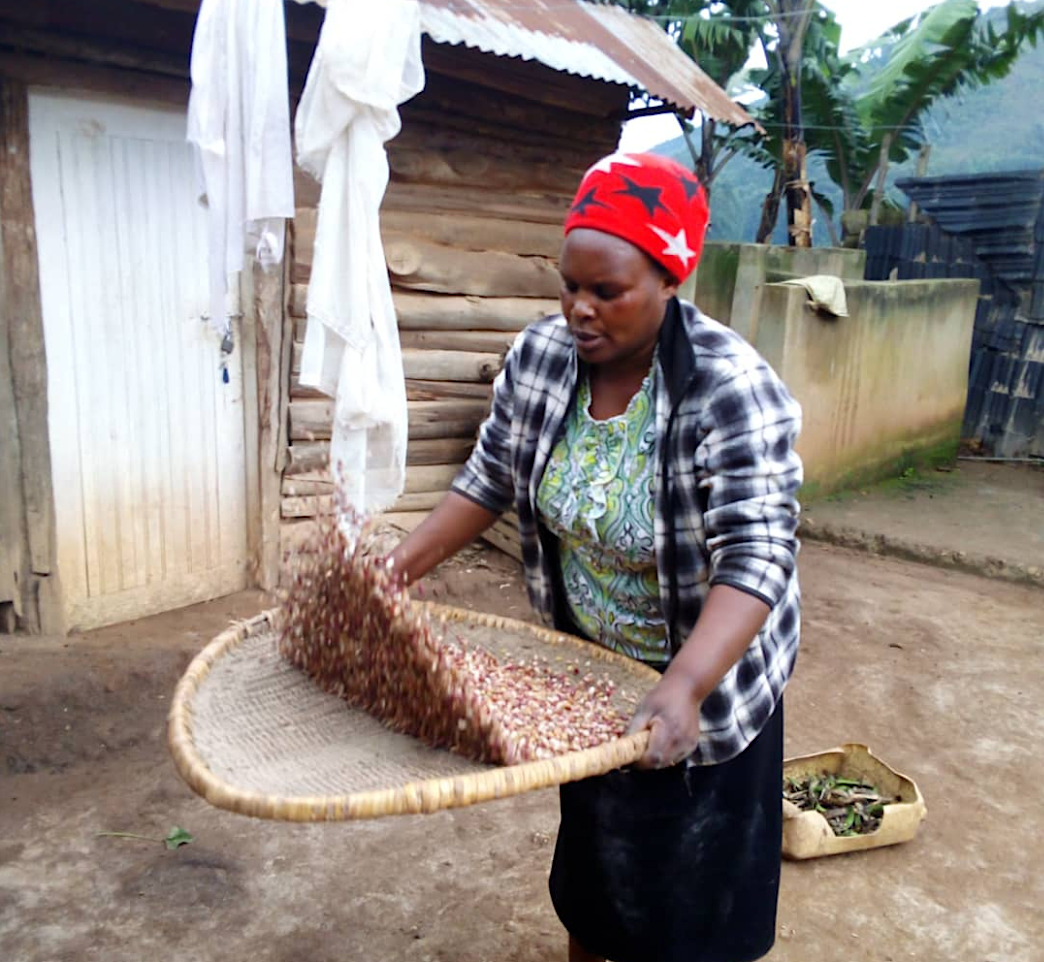
Why Pulses? Pulses (the edible seeds of legumes) are an ideal protein source and include thousands of varieties of beans, peas, chickpeas, and lentils that provide many benefits over animal-based protein sources. They are one of the world’s most nutritious, low-cost, and planet-friendly foods. They are also easy to implement since they are already a familiar, culturally relevant staple in traditional cuisines around the world.
Want to help? Our partners report that the success of this initiative has led to increased demand for legume seeds and they would love to scale up. If you’re a fan, we’re looking for sustaining sponsors for 2025 and beyond; for contributions of $1000 or more to the Planetary Pulse Project, donors may elect to have a Seed Fund announced in their honor (email [email protected] for more details). And, as always, donations in any amount play a crucial role.
Soy Microbusinesses to Empower Women
For individuals and communities to choose plant-based foods, they need access to sufficient options. That’s one reason why we’re such big proponents of “replacement” projects that provide superior, plant-based alternatives to animal-based foods.
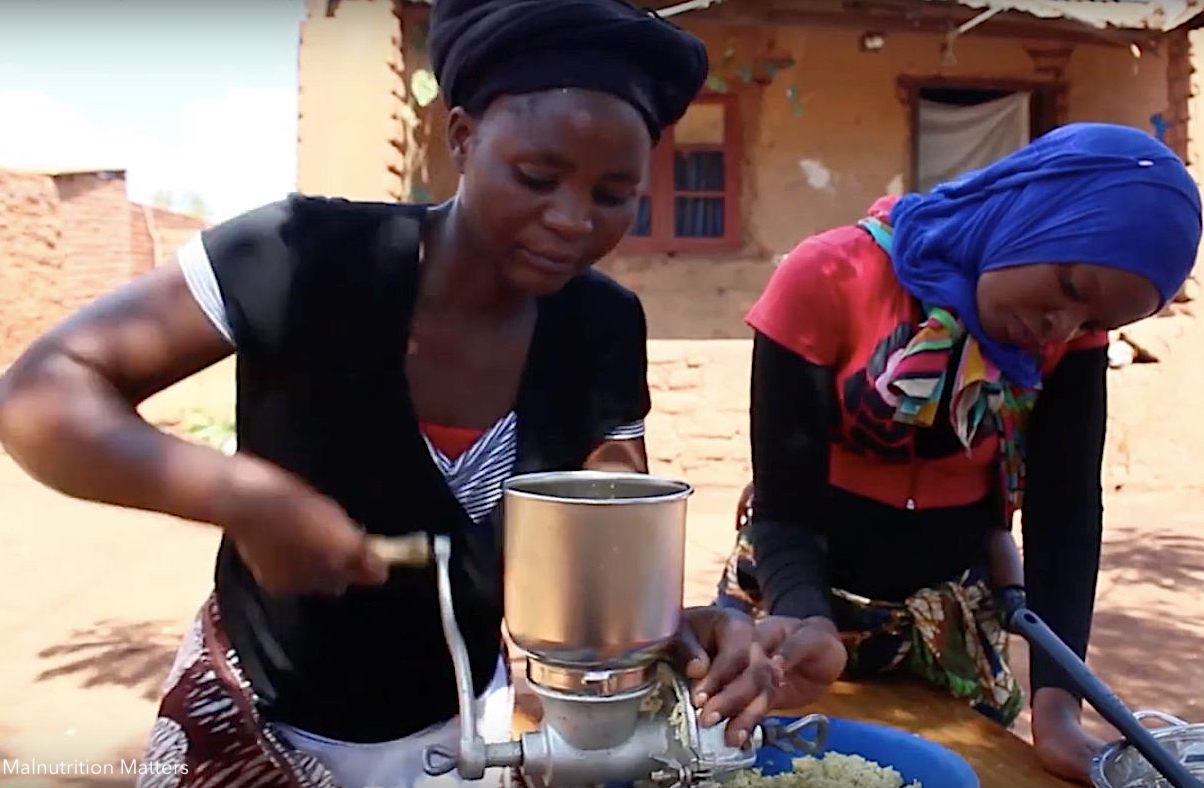
Through our partners Malnutrition Matters, we’ve provided support for multiple soy-based micro-enterprises for women in Africa, Asia, and the Americas. We also support Plenty International’s Soy Nutrition Program that helps women provide soymilk and soy foods to families living in poverty in Guatemala.
Why Soy Microbusinesses? These projects economically empower women through provision of soy processing equipment and training to produce affordable, nutrient-dense food in communities with high rates of malnutrition and poverty. The equipment, combined with entrepreneurial mentorship, generates sustained income and improved nutrition by turning locally grown soybeans into milk, tofu, yogurt, baked goods, and other foods. An important benefit of using an income-generating business model is that the recipients do not remain dependent on donations after the initial investment.
Soy microbusinesses are much more affordable, flexible, sustainable, climate-friendly, and scalable than animal-based farming projects. The success of these projects demonstrates that soy-based foods improve community health and wellbeing and that this model is replicable within the current countries and in new countries.
Plant-Based Protein in Africa
Even organizations that aren’t plant-based are appreciating the power of plant-based solutions. In 2023, we worked with One Acre Fund (combined with generous funding from The Greenbaum Foundation) to help launch their innovative program providing texturized vegetable protein (TVP) as a meat replacement in Rwanda.
Why TVP? Receptivity to TVP as a replacement in previously meat-based meals was wildly positive, as the video below shows. Based on its popularity, One Acre Fund now plans to work with smallholder farmers in Rwanda to grow climate-resilient varieties of traditional beans and peas that can be used to create locally-grown TVP.
What’s Next? Our new partners at Tailored Food are similarly having great success collaborating with UNICEF (the United Nations Children’s Fund) to invest $19 million in Burundi on their plant-based business model. This collaboration constitutes an important intervention, as the project will now focus on using indigenous crops instead of moving forward with UNICEF’s original plan to spend $19 million creating chicken and rabbit farming projects. It’s a win-win-win for people, animals, and the environment.
Why Africa? While it’s important to focus efforts on transitioning away from animal-sourced foods in countries with high per person consumption (like the U.S. and Europe) and/or large populations (like China and India), the continent of Africa is composed of 54 countries and contains almost 1.5 billion people (expected to reach 2.5 billion by 2050). This large population, combined with increasing income and urbanization, is resulting in drastic per person and aggregate total increases in the consumption of animal-sourced foods.
This trend is known as the African Livestock Revolution. As we approach 2050, the euphemistically termed “Livestock Revolution” is predicted to slow in Asia and other developing countries, but increase in Africa. If left unchecked, African demand for meat is predicted to triple and demand for milk is predicted to double (2015-2050), forcing more national production, foreign imports, and vast global intensification of factory farms. To make matters worse, international aid agencies are notorious for promoting (and funding) increased animal consumption as the default hunger solution in Africa, so it’s imperative to support viable alternatives and expert plant-based proponents inside Africa working for change in their own countries.
Donate here to become a Bean Seed Sustainer!
We hope you’ve enjoyed these highlights of our work focused on the benefits of beans. Learn more about the amazing power of pulses with our deep dive.